Every spring it’s the same story. The snow melts, the sun comes out, and suddenly you’re standing in your driveway noticing things you hadn’t seen in months. Ice damage on the fascia. Streaks running down the windows. A patio that looks like it’s been through a war. You’re not imagining it — winter in the GTA is genuinely hard on houses.
We show up to properties all across Mississauga, Brampton, and Etobicoke starting in late March, and the pattern is remarkably consistent. Most of the damage isn’t from one big event—it’s from months of freeze-thaw cycles quietly doing their thing while everyone was focused on staying warm.
This checklist is what we actually look at when we assess a property in spring. Not everything will apply to your home, but working through it systematically now saves real money later.
Start Outside, Work Your Way In
There’s a temptation to start with what’s most visible—usually the windows, because they’re at eye level and the streaks are hard to ignore. But the smarter order is to start high and work down and to look at structure before surfaces.
Gutters & Eavestroughs
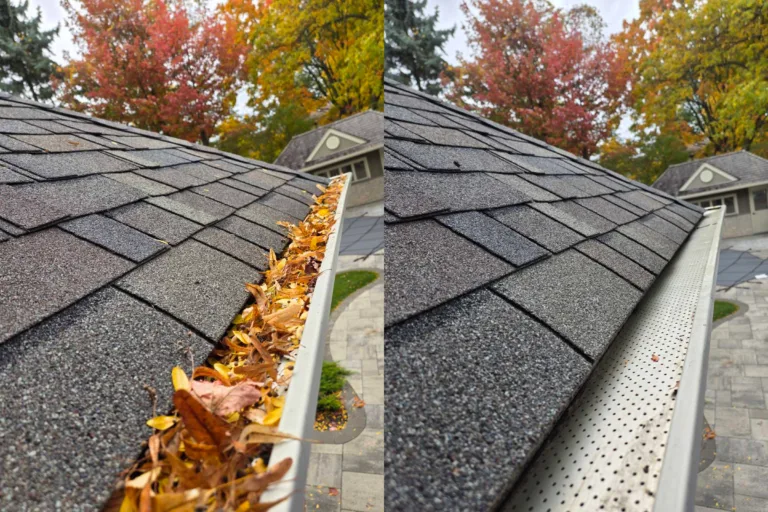
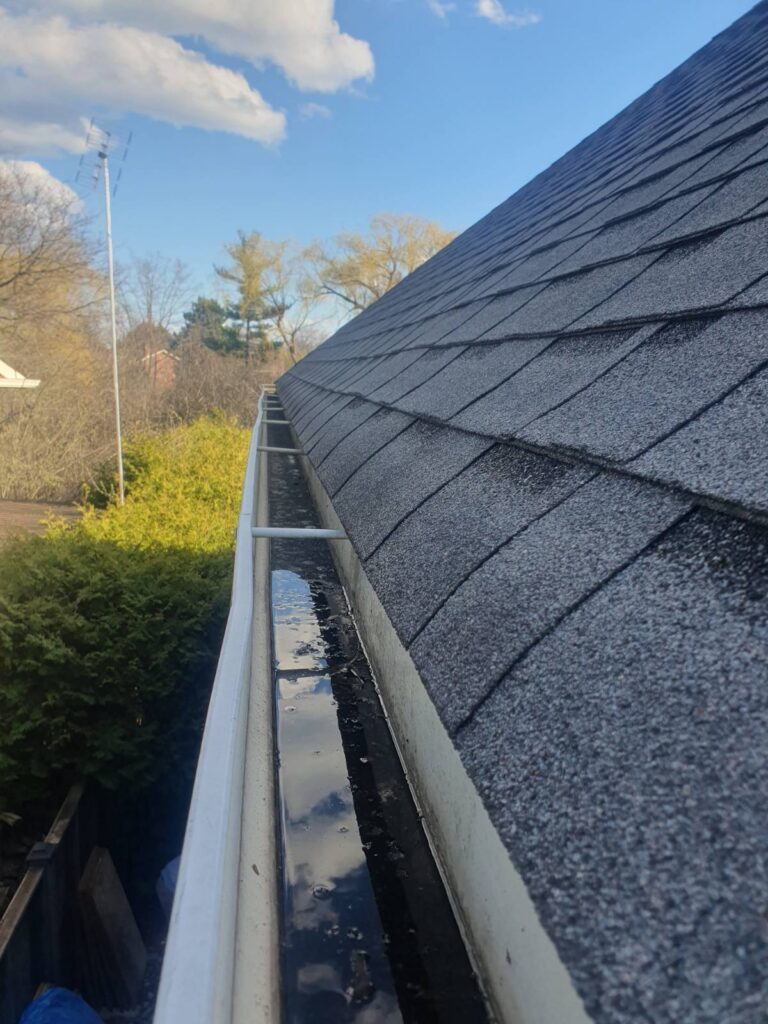
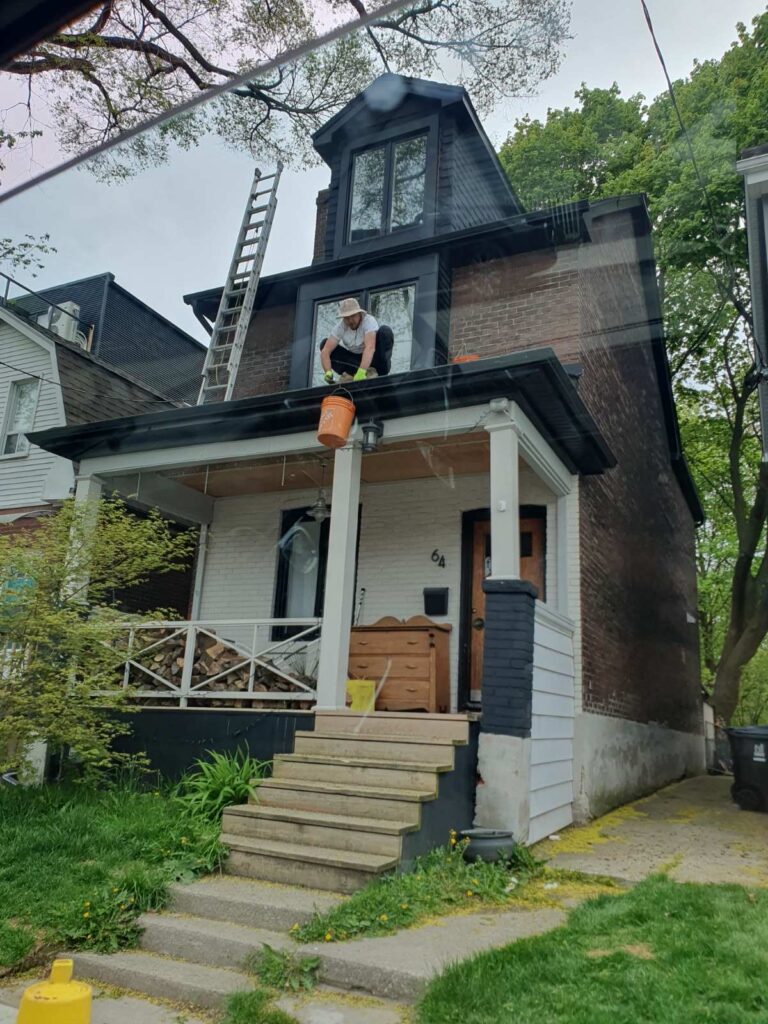
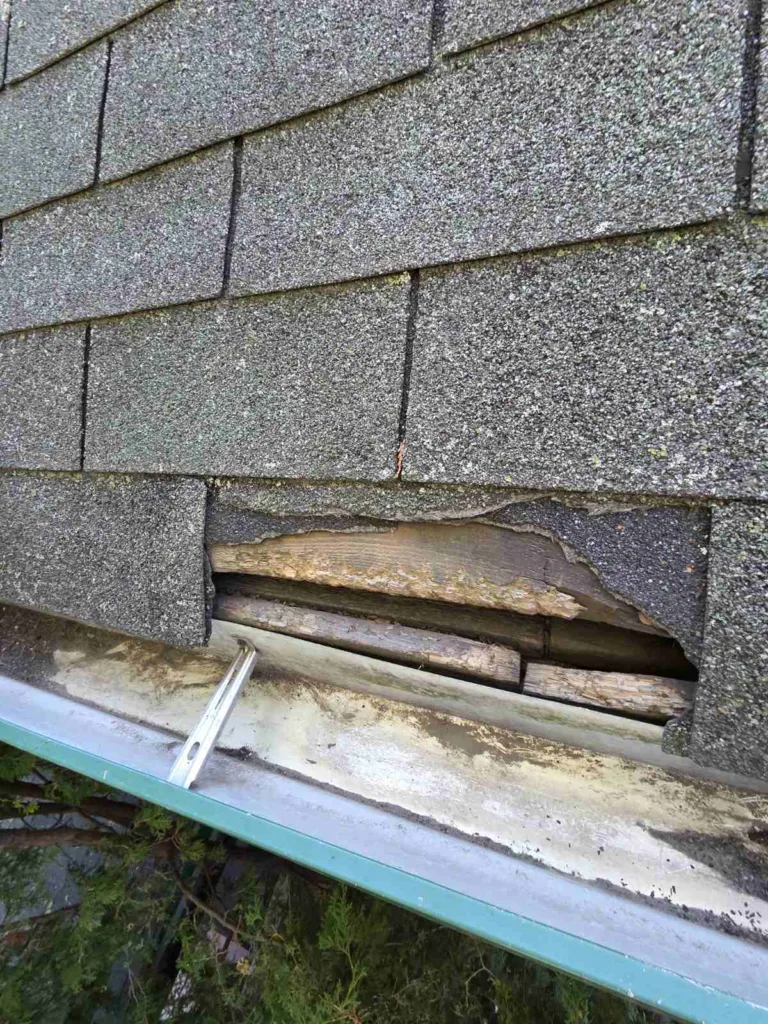
This is where we find the most serious issues in spring. Ice that forms in gutters over winter doesn’t just sit there — it expands, and it pulls. By April, we regularly see gutters that have physically separated from the fascia board, sometimes by an inch or more. You won’t notice it from the ground until the first heavy rain, when water starts pouring down the side of your house instead of through the downspout.
“The calls we get in May — flooded basements, water stains on ceilings — almost always trace back to something that was sitting there since February, waiting.”
Walk the perimeter of your house and look up. Are the gutters sitting flush against the fascia? Any visible sagging? Check the downspouts too — debris that got frozen in place over winter will block them just as effectively as fresh leaves.
Windows
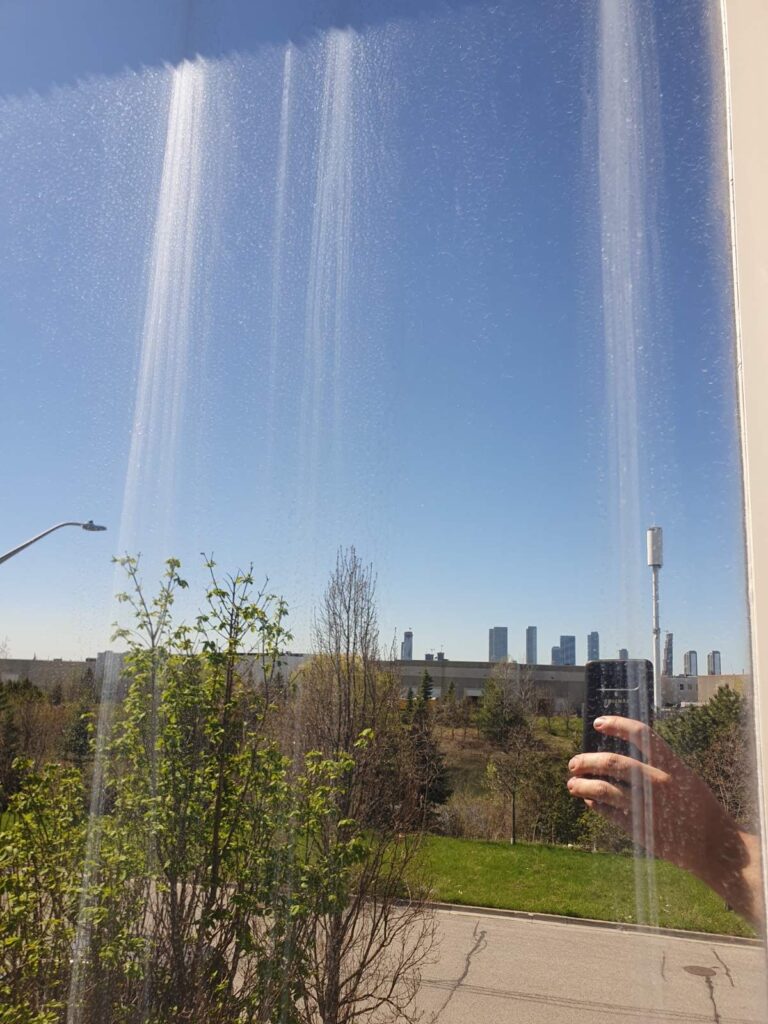
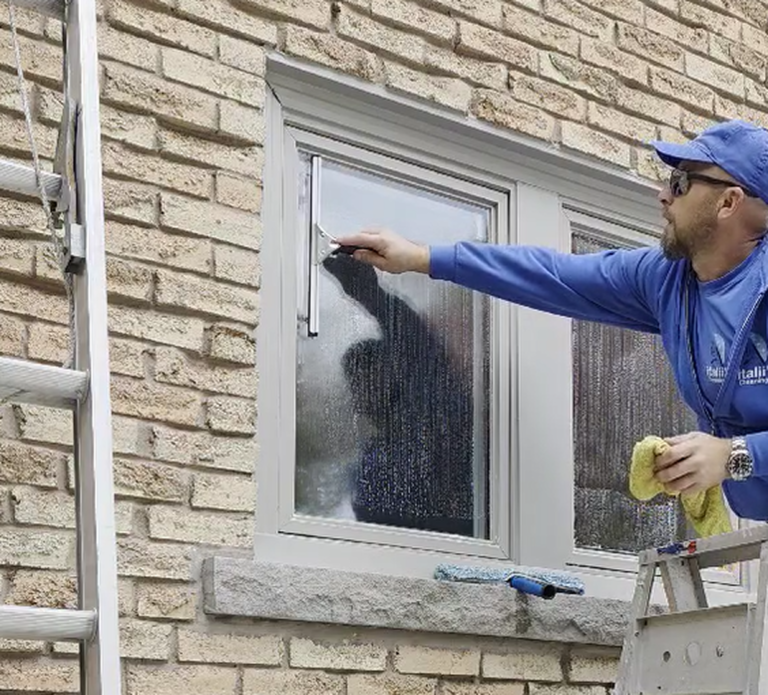
The streaks and film you see on windows after winter aren’t just dirt—they’re a combination of road salt spray, mineral deposits from snowmelt, and, in some cases, very early algae growth. The longer it sits, the harder it bonds to the glass. A window that needs 20 minutes of work in April can need an hour of work in June.
Also check the frames and sills. Caulking that cracked over winter lets moisture in and leads to rot. It’s a five-minute fix now, or a significant repair later.
Driveways, Patios & Interlocking
Slippery tile, mossy interlock, salt-stained concrete — these are the things people walk past every day and stop really seeing. A proper power wash in spring does two things: it removes the surface grime that makes things slippery, and it lets you see the actual condition of what’s underneath. Cracks, sunken pavers, damaged grout — all of it becomes visible once the layer of winter residue is gone.
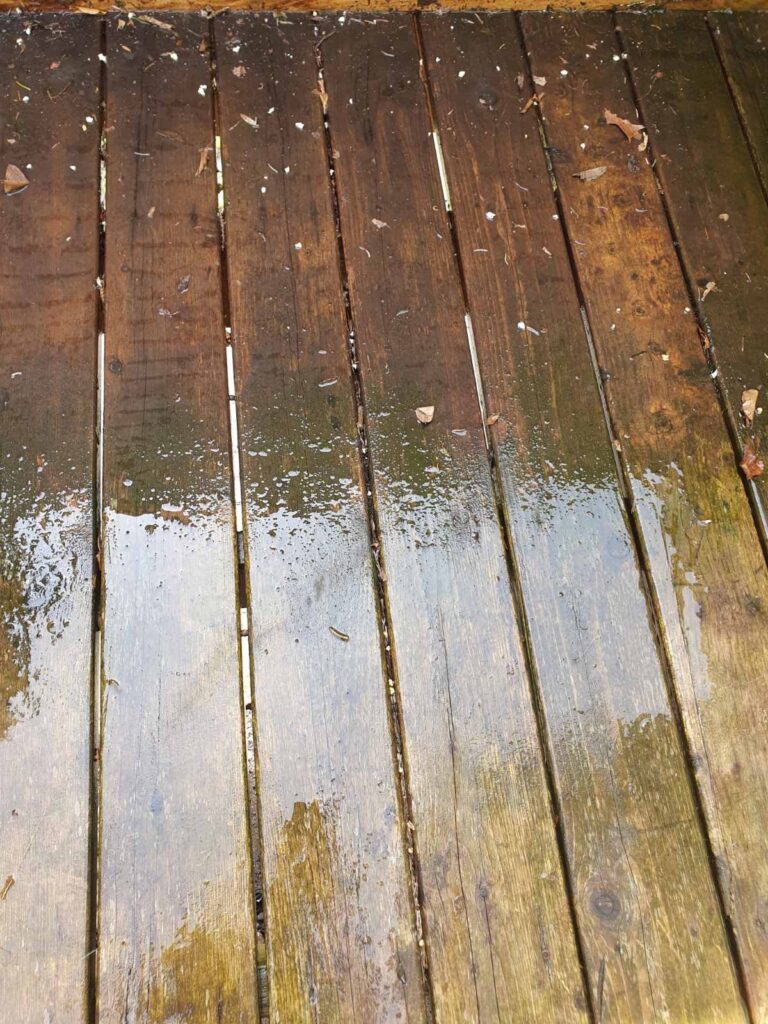
If you have a wooden deck, spring is when you’ll see whether the stain held up. Greying wood, black spots, soft areas near joints — these are signs the wood needs attention before summer use.
Pergolas, Gazebos & Exterior Structures
This one gets skipped most often. A pergola or gazebo sits through four or five months of Ontario winter, and nobody looks at it closely until they want to use it in June. By then, any rot that started in November has had months to spread. Check the posts at ground level — that’s where moisture damage starts. Check any metal hardware for rust. Look at the roof panels or fabric canopy for tears or sagging from snow load.
Spring Checklist — Quick Reference
Gutters & eavestroughs
Check attachment points, look for sagging, flush downspouts
Fascia & soffit
Look for ice damage, rot, or gaps where pests can enter
Windows & frames
Clean glass, inspect caulking, check for cracked seals (fogging between panes)
Driveway & walkways
Power wash to remove salt and grime, check for new cracks
Interlock & patio stone
Look for shifted or sunken pavers, wash to prevent slip hazard
Deck or wooden patio
Check for soft spots, assess stain/sealant condition
Pergola / gazebo / awning
Inspect posts, hardware, canopy fabric or roof panels
Roof visible areas
Look for missing or lifted shingles, moss growth near edges
Exterior walls & siding
Check for mold or mildew buildup, especially north-facing surfaces
What to Actually Do With This List
Some of this is genuinely DIY-friendly — walking the perimeter, checking caulking, looking at your gutters from the ground. Other parts need equipment or someone comfortable working at height.
The most practical approach: do a full visual walk-through yourself first. Note what looks off. Then decide what needs a professional and what doesn’t. If you’re in Mississauga, Brampton, or Etobicoke and want an outside set of eyes on the exterior, we’re happy to take a look when we’re in your area — no obligation, just a conversation about what we actually see.
Spring is short in the GTA. By the time it feels comfortable to be outside, everyone else has the same idea, and wait times get long fast. The homeowners who stay on top of this in April are the ones who enjoy their summer without unpleasant surprises.